
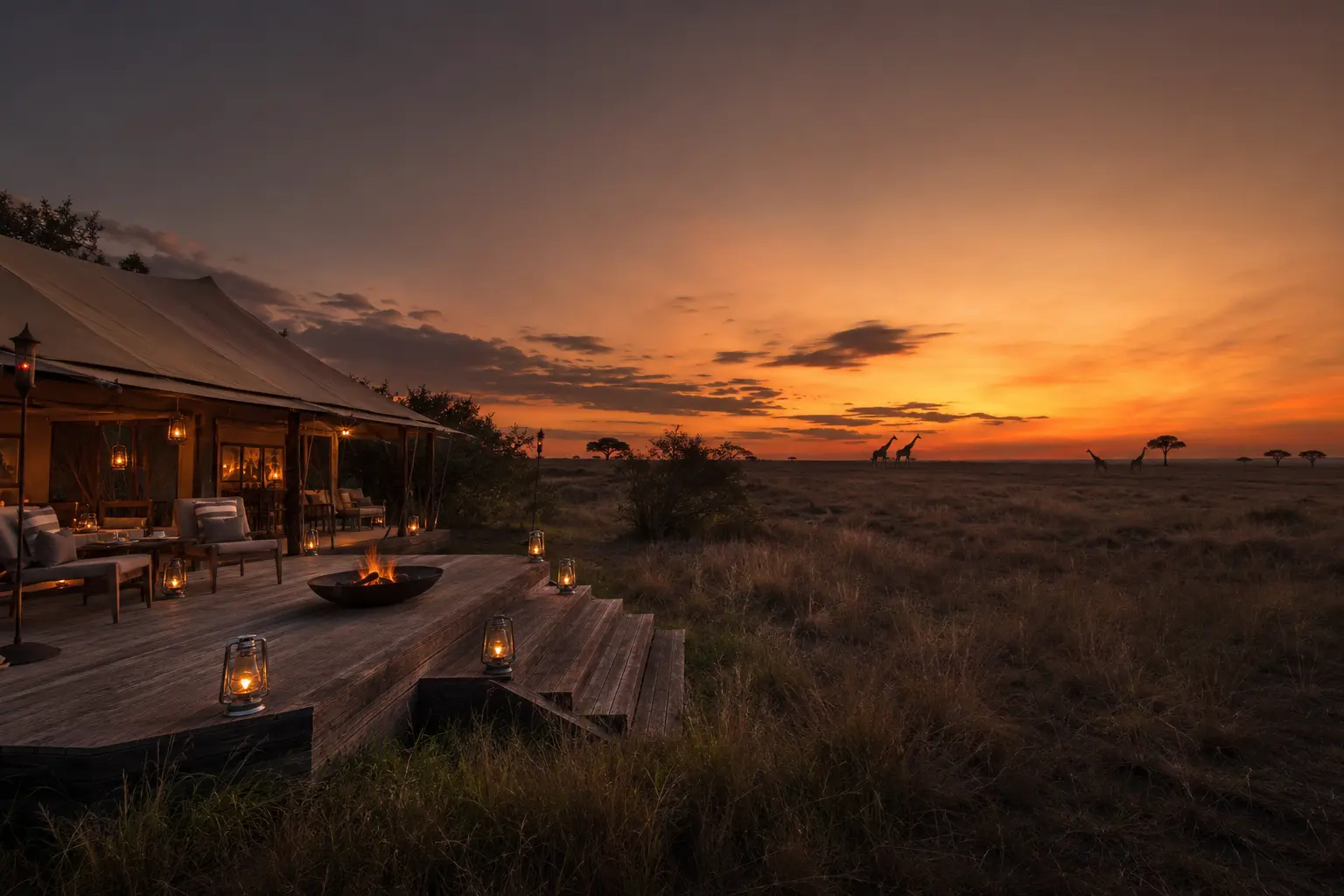
The Maasai Mara is a year-round destination. The right time to visit depends less on a calendar and more on what you want from your safari. Here is a honest breakdown of what each season offers.
July to October — Peak and migration
This is when the Great Migration arrives and the Mara is at its most dramatic. River crossings, dense predator activity and enormous herds make these months the most popular time to visit. The trade-off is higher visitor numbers and premium pricing. Booking well in advance is essential.
November to December — Short rains
The short rains bring fresh grass, dramatic skies and fewer vehicles. Wildlife is still plentiful, and the landscape turns vivid green. This is an excellent time for photographers and travellers who prefer a quieter Mara. Rates are lower and availability is easier.
January to March — Dry season
The dry months concentrate wildlife around water sources, making game viewing predictable and rewarding. Big cats are easier to spot in the shorter grass. The weather is warm and dry, ideal for long days in the bush. This is one of the best-value windows for a Maasai Mara safari.
April to June — Green season
The long rains transform the Mara into a lush, dramatic landscape. Many animals give birth during this period, and birdlife is at its richest. Some camps reduce rates or close temporarily, but for travellers who don't mind a shower or two, the green season offers solitude and beauty that few visitors ever see.
Choosing your season
If the migration is your priority, plan for July to October. If you want fewer crowds and lower rates, the shoulder and green seasons are hard to beat. If big cats and dry-season game viewing matter most, January to March is ideal. Our team can help you match the season to your interests.
Plan your Mara safari.
Tell us what you want to see and we will help you pick the right season for your stay in Lemek Conservancy.
Plan your stay →