
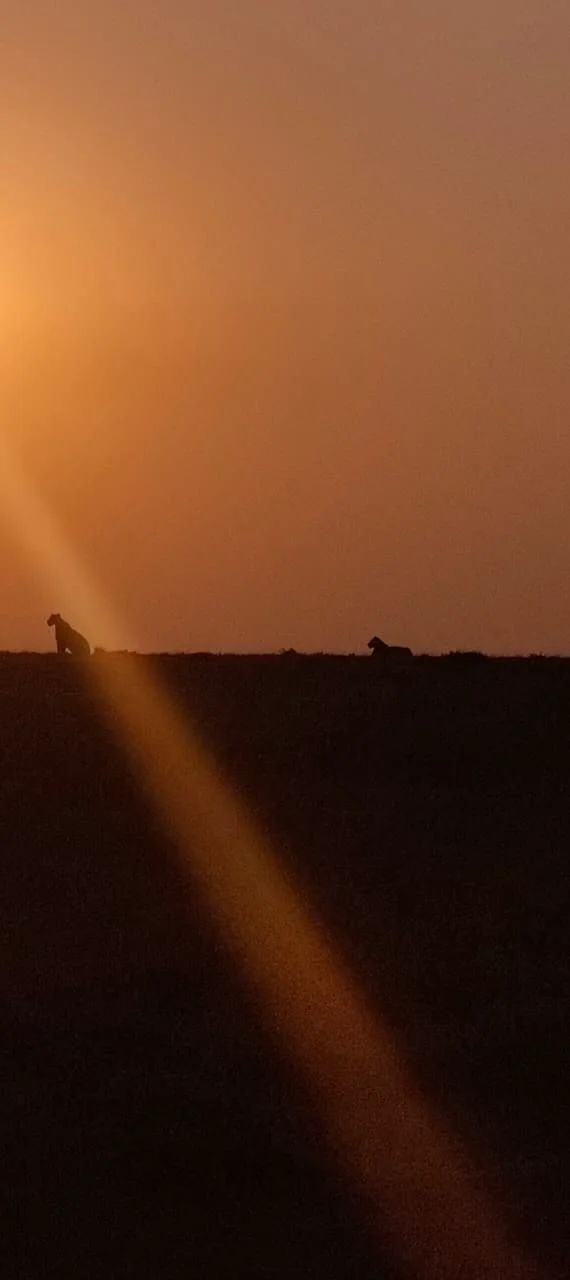
Every year, more than a million wildebeest, zebras and gazelles move through the Maasai Mara in one of the natural world's most dramatic events. The Great Migration is not a single moment but a continuous cycle driven by rain, grass and instinct.
When the herds arrive
The wildebeest typically reach the Mara between July and October, crossing the Mara River in waves. River crossings are the most famous part of the migration, but they are unpredictable. Some days bring dozens of crossings; others bring none. Patience and time are the best tools a traveller can bring.
Beyond the river crossings
The migration is about more than crossings. Thousands of animals spread across the plains, drawing predators in close. Lion, leopard and cheetah activity peaks during these months. For guests staying in Lemek Conservancy, the advantage is access to this wildlife without the vehicle density found inside the main reserve.
Why Lemek Conservancy matters
Lemek Conservancy sits within the greater Maasai Mara ecosystem. It shares the same wildlife, the same predators and the same sweeping views, but with far fewer vehicles. Guests at Nashipai Mara enjoy morning game drives through open plains and return to a quiet, private setting by evening.
Planning your Mara safari
Migration season books early. We recommend enquiring three to six months ahead for July through October stays. Share your dates, interests and group size with our team, and we will help shape the safari around what the Mara is doing that week, not a fixed schedule.
Plan your Maasai Mara safari.
Stay in Lemek Conservancy and let our team shape a personal migration safari around your dates and the season.
Plan your stay →